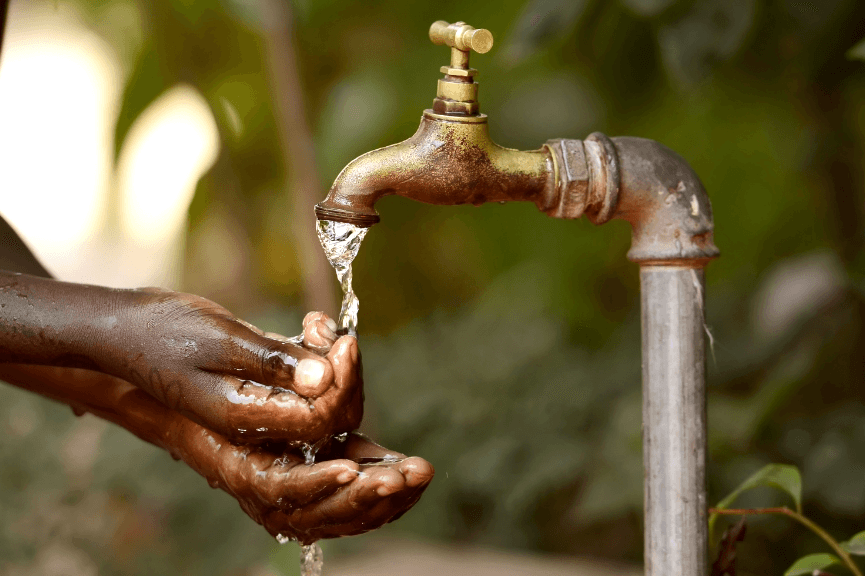
In India, where vibrant cultures and close-knit communities coexist with deep-rooted disparities, sanitation isn’t just a public health issue — it’s a matter of survival. For millions living in rural and marginalized regions, access to clean toilets, safe water, and hygiene awareness remains a daily struggle. On the flip side, where sanitation is prioritized, child mortality drops, school attendance rises, and entire communities thrive.
So, the question isn’t just what safe sanitation is, but why it must become a collective priority.
What Is Safe Sanitation — And Why It Matters
Safe sanitation goes beyond constructing toilets. It means having:
Access to clean, functional toilets
Facilities for safe handwashing with soap
Systems for proper waste and sewage disposal
According to Jal Jeevan Mission (2023) data, while India has made significant strides under the Swachh Bharat Abhiyan, about 15% of rural households still lack basic sanitation infrastructure. Even where toilets exist, lack of usage and poor maintenance render them ineffective, often due to limited hygiene education.
But the consequences of neglect are severe. Unsafe sanitation is directly linked to:
Diarrheal diseases (killing over 1 lakh children under 5 annually in India)
Cholera, typhoid, and intestinal worms
Malnutrition, especially in young children
Increased risk of infections and maternal complications
In short, safe sanitation is the first line of defense in public health.
Why Hygiene Education Is the Game-Changer
Building toilets is the beginning — changing behavior is the real challenge.
Here’s why hygiene education is crucial:
Handwashing with soap alone can reduce diarrhea risk by nearly 40%.
Menstrual hygiene awareness can help keep girls in school and prevent UTIs and reproductive issues.
During crises like COVID-19, hygiene habits like mask use and sanitizing were life-saving.
Education ensures sustained usage of sanitation infrastructure. It empowers individuals, especially children, to take control of their health.
In schools, sanitation clubs, interactive workshops, and student ambassadors have shown measurable improvements in hygiene behavior. In villages, community sessions and folk-based health messaging are powerful tools for change.
The Uneven Burden: Rural & Marginalized Realities
In India’s rural belts, safe sanitation is often overshadowed by other survival priorities — food, water, and livelihoods.
Common challenges include:
Limited infrastructure or broken facilities
Deep-seated taboos around menstruation, open defecation, and women’s privacy
Caste and gender inequities, where certain groups are denied access to common toilets
Poor maintenance due to a lack of funding or trained sanitation workers
The urban-rural divide in sanitation access is stark, with many villages relying on open fields or shared public toilets. Without privacy, women and girls often avoid relieving themselves during the day, risking infections and discomfort.
How NGOs Like SESR Foundation Are Making a Difference
Nonprofits and grassroots initiatives are crucial bridges between policy and practice.
The SESR Foundation, for instance, has been a beacon of change through:
Health Chaupal Initiative: Village-level health awareness sessions that combine modern health knowledge with community dialogue.
Hygiene education in government schools is especially focused on handwashing, menstrual health, and clean drinking water.
Training ASHA workers and volunteers to carry the message of sanitation and hygiene in remote areas.
By combining local language communication, traditional storytelling formats, and community leadership, SESR ensures that hygiene education isn’t top-down, but participatory.

Safe Sanitation Saves Lives
Impact on Women and Children
The burden of poor sanitation is heaviest on women and children.
Girls drop out of school due to a lack of menstrual hygiene facilities.
Children suffer from malnutrition due to recurrent diarrhea.
Pregnant women face higher risks of UTIs and birth complications when sanitation is inadequate.
Investing in sanitation is not just about disease prevention — it’s about ensuring dignity, equality, and opportunity.
The Way Forward: Building a Hygiene-First Culture
Change requires collaboration, creativity, and commitment.
Key steps include:
Public-private partnerships to fund toilets, handwashing stations, and awareness campaigns.
A hygiene curriculum in schools, starting from primary grades.
Digital campaigns and local influencers are being used to normalize hygiene behavior on platforms like WhatsApp and YouTube.
Government incentives for sanitation innovation and community-led toilet maintenance models.
Policy must focus on behavioral outcomes as well as infrastructure. Monitoring usage, not just construction, should be the benchmark.
It’s Time to Act
Safe sanitation isn’t a privilege — it’s a human right. It saves lives, lifts communities, and empowers women and children to dream beyond disease and deprivation.
As we move toward a healthier India, we must all play our part:
Support organizations like the SESR Foundation
Volunteer or donate to hygiene education programs
Talk openly about sanitation — especially in places where silence kills
Because when communities embrace hygiene, health follows. And when health thrives, so does humanity.