The world today faces many challenges: poverty, inequality, hunger, climate change, and access to basic needs. To solve these, the United Nations created the 2030 Agenda for Sustainable Development. It includes 17 Sustainable Development Goals (SDGs) that aim to make the world a better and fairer place for everyone.
India is one of the countries strongly committed to achieving these goals. Under the guidance of Prime Minister Narendra Modi, the government has launched numerous programs to ensure that no one is left behind. These efforts cover health, education, environment, gender equality, energy, and more.
Let’s look at how India is putting the SDGs into action and how organizations like SESR Foundation are contributing to this mission.
Ending Poverty (SDG 1)
India has made huge progress in reducing poverty. Schemes like Pradhan Mantri Garib Kalyan Yojana, Jan Dhan Yojana, and PM Awas Yojana have helped millions of families.
Over 500 million Jan Dhan bank accounts have been opened.
Millions of houses have been built for low-income families under PM Awas Yojana.
Direct benefit transfers ensure that money reaches the needy without middlemen.
These steps have lifted crores of Indians out of poverty and improved their quality of life.
Zero Hunger (SDG 2)
Hunger is still a major issue, but India is fighting it with strong policies.
Programs like Poshan Abhiyaan, Mid-Day Meal Scheme, and PM Kisan Samman Nidhi aim to provide nutrition and food security.
Poshan Abhiyaan works to improve child and maternal health.
Farmers get direct financial help under PM Kisan.
The Public Distribution System (PDS) ensures affordable food for poor families.
These programs ensure that no one sleeps hungry.
Good Health and Well-Being (SDG 3)
Healthcare has become a national priority. The Ayushman Bharat Scheme provides free health insurance to millions of poor families. The Jal Jeevan Mission ensures access to clean drinking water.
In rural India, health awareness campaigns and telemedicine have made a real difference.
Programs like Health Chaupal by SESR Foundation also help spread awareness about hygiene, nutrition, and preventive care.
Quality Education (SDG 4)
Education is the foundation for progress. India’s National Education Policy (NEP 2020) focuses on modern, skill-based learning.
Programs like Skill India and Digital India e-learning empower youth with practical knowledge.
SESR Foundation’s SkillVita initiative plays an important role here. It offers professional courses in Digital Marketing, Public Relations, Content Writing, and Journalism, helping young people build strong careers and digital skills.
Gender Equality (SDG 5)
Empowering women is at the heart of India’s development.
Programs like Beti Bachao Beti Padhao, Ujjwala Yojana, and Self-Help Groups for women are helping women lead independent lives.
Women entrepreneurs are also growing fast through MSME support programs and digital platforms. This shows real progress in creating equal opportunities.
Clean Water and Sanitation (SDG 6)
Access to safe water and sanitation has improved drastically.
The Swachh Bharat Mission transformed hygiene across India, making it one of the world’s biggest cleanliness drives.
The Jal Jeevan Mission aims to provide tap water to every rural household.
These programs have reduced diseases and improved the dignity of life, especially for women and children.

Swachh Bharat Mission
Affordable and Clean Energy (SDG 7)
India is leading the way in clean energy.
The National Solar Mission promotes solar energy, while the LED revolution has made power usage efficient.
India’s renewable energy capacity has grown massively, and the International Solar Alliance (ISA)—led by India—is helping other nations adopt clean energy too.
These actions not only reduce pollution but also create green jobs for youth.
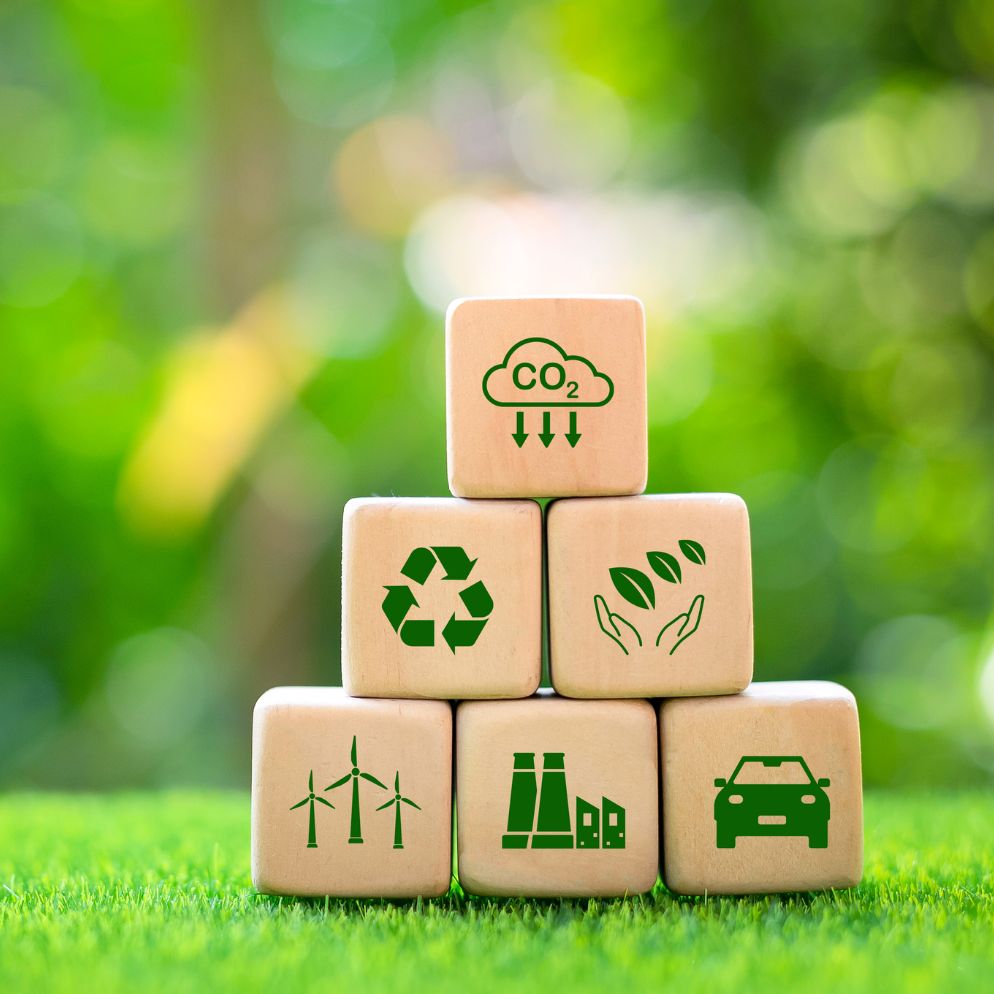
Climate Action (SDG 13)
Climate change affects everyone. India has committed to achieving Net Zero Emissions by 2070.
Initiatives like Mission LiFE (Lifestyle for Environment) encourage people to make eco-friendly choices in daily life.
The government is also focusing on wetland conservation, mangrove restoration, and tree plantation drives.
SESR Foundation contributes to this through environmental awareness campaigns and green initiatives to protect nature.
Policy and Governance for SDGs
The NITI Aayog is leading India’s SDG implementation. It monitors progress through the India SDG Index, which ranks states and union territories based on their achievements.
Top-performing states like Kerala, Tamil Nadu, and Himachal Pradesh show how strong policies can lead to real progress.
These efforts help the government identify challenges and guide others to improve.
Role of Technology and Digital Innovation
Digital transformation is helping India achieve the SDGs faster.
Under Digital India, villages are getting connected through the internet. E-governance platforms make services accessible to all.
Technology like AI, drones, and IoT is being used in farming, healthcare, and education.
It makes government programs efficient and transparent, ensuring that every citizen benefits.
SESR Foundation’s Contribution to the SDGs
SESR Foundation aligns closely with India’s SDG vision.
Through its initiatives, it supports several goals:
SkillVita – Promotes quality education and employability (SDG 4).
Health Chaupal – Encourages health awareness and preventive care (SDG 3).
Be the Change Maker – Promotes social and environmental responsibility (SDG 13).
Digital Awareness Programs – Bridge the digital divide and empower rural youth (SDG 9 & 10).
By focusing on education, empowerment, sustainability, and healthcare, SESR Foundation is helping India move closer to the 2030 vision.
Challenges Ahead
While progress is strong, challenges remain.
Poverty and inequality still affect many.
Climate change and pollution continue to threaten development.
Rural areas need better access to technology and infrastructure.
Collaboration between the government, private sector, NGOs, and citizens is key to overcoming these challenges.
Together Towards 2030
India’s journey toward the UN 2030 Agenda is inspiring. From renewable energy to education, from healthcare to women’s empowerment, every step brings us closer to a sustainable and inclusive future.
But this mission needs everyone’s effort, the government, organizations, and citizens alike.
As the SESR Foundation believes, “Change begins when we act.”
Together, we can build a future where no one is left behind and where sustainability becomes a way of life. 🌍✨