
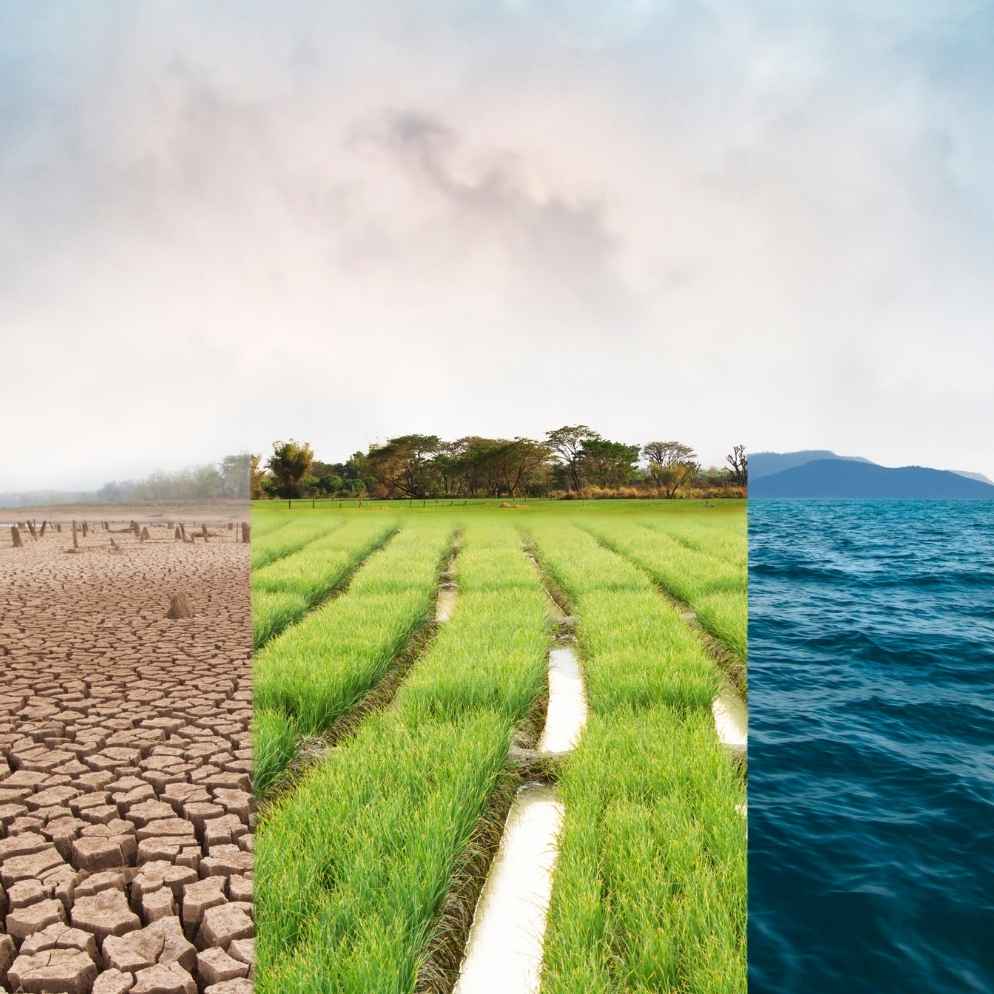
Climate change isn’t just a distant threat. For many rural areas in India, it’s something people face daily: droughts, erratic rainfall, floods, and rising temperatures. But across the country, villages are finding smart, grassroots ways to adapt. This blog shares some real stories and practices that are helping rural India become stronger in the face of a changing climate.
Traditional Crops & Changing Farming Practices
Many farmers have noticed that traditional crop varieties, like millets, pulses, and local rice, are more resilient to heat, less water, and harsh weather. They are returning to farming them, instead of water-hungry crops.
In Karnataka (districts like Dharwad and Haveri), about 3,000 farmers have converted over 2,000 acres of parched land into productive farmland using millets. These crops need much less water and are less vulnerable to droughts.
In Odisha, in Kendrapara district, when floods and erratic rains hurt paddy yields, some farmers switched back to traditional crops and pulses that cope better with both drought and flood cycles.
Also, there is a push to use methods like:
System of Rice Intensification (SRI): planting fewer seedlings and managing water more carefully to reduce usage. Villages in West Bengal use this to reduce both water need and greenhouse gas emissions.
Crop-diversification: mixing vegetables, pulses, and millets, so that if one fails, others can still give income.
These changes help reduce risk; if one crop fails, others may still survive.

Climate change adaptation in rural India
Water Harvesting & Soil/Watershed Management
Water is central. If water is missing (less rain, wells drying, rivers vanishing), no farm, no crop, no livelihood. So many rural communities are reviving old water-harvesting systems, building new ones, and managing their soil to keep water in.
Telkata Punji in Northeast India: Villagers used a low-cost rainwater harvesting model so they could store rain during the monsoon and use it in dry months. This change freed them from walking long distances for water and made farming more sustainable.
Matuka Rivulet in Varanasi (Uttar Pradesh): A small river that had been neglected is being revived. People removed blockages, planted trees, and restored the stream path. This helped groundwater recharge, improved soil moisture, and helped agriculture around.
In Govindpura, Rajasthan, villagers built check dams, ponds, and rainwater tanks with the help of a local group, Gramin Vikas Vigyan Samiti. When heavy rains come, the water doesn’t all run off; it’s stored or slowed, so soil is not washed away, and water is saved underground.
Ruza system in Nagaland: In a rain-shadow area where rainfall is low, villagers build ponds at high elevation that capture run-off from forest land and hillside, and channel water to fields. It’s communal: everyone shares. When the rains come, these ponds fill up, and the water is used for crops.
These practices of water harvesting and watershed work are practical, cost-effective, and fit with the local lands and needs.
Disaster Preparedness and Local Action
Since extreme weather like floods, drought, and heat waves is more frequent, some villages are preparing ahead. Instead of waiting for disaster, they plan, train, and equip themselves.
Pune district (Maharashtra): In 179 gram panchayats (village councils) that are high-risk for floods or landslides, authorities distributed disaster kits (like ropes, safety gear, stretchers) and trained villagers to respond. Safe zones have been identified for evacuation. This gives them tools and confidence.
Local community groups are reviving old knowledge. For example, in many places, women-led groups like Jal Sahelis in Bundelkhand work on reviving water bodies, pond restoration, planting trees, and advocating with the local government to protect common land. This helps with both water and preparing land to resist erosion or flood damage.
Innovative Practices & Combining Old + New
Some villages are combining new technology and old wisdom to adapt:
Greenhouses in Telangana: Farmers use simple greenhouses to protect crops from intense heat or heavy rainfall, and use drip irrigation to reduce water usage.
In Karnataka, the “Millet Magic” project (CROPS4HD) helps farmers learn about traditional millets, improves seed supply chains, and uses NGO support to teach about climate-resilient farming.
Benefits of Adaptation
These adaptation measures are not just for climate safety; they bring many benefits to rural communities:
Higher resilience to droughts, floods, and erratic weather.
Better water security: more water in wells, less dependency on long treks for water or buying expensive water.
Diverse sources of income (if farming multiple crops, or engaging in fishery, horticulture).
Less crop failure risk.
Improved food security: Traditional crops often are nutritious and reliable.
Community empowerment: when people work together (village committees, women’s groups), they gain knowledge, ownership, and the ability to act.
Challenges & What More Needs to Be Done
While many inspiring examples exist, challenges remain:
Awareness: not all farmers know these practices or have access to knowledge or training.
Funding: building ponds, check dams, and greenhouses requires some upfront cost; some people need financial help or subsidies.
Policy support: government programs need to reach remote villages.
Maintaining systems: once built, water structures or greenhouses require upkeep.
Market access: even when farmers grow traditional/millet crops, they need good markets/buyers to sell to, otherwise income remains low.
What the SESR Foundation Can Do / Role in Supporting Rural Adaptation
Here’s how an organization like SESR Foundation can help rural areas adapt:
Run workshops to show these success stories + teach best practices (millets, water harvesting, etc.).
Support seed distribution and climate-friendly tools (drip irrigation, water tanks, greenhouse materials) for small farmers.
Help form local farmer groups or cooperatives to share resources, buy inputs together, and get better market access.
Collaborate with local governments to plan disaster preparedness at the village level: safe zones, emergency kits, and community training.
Use digital tools (mobile apps, WhatsApp groups) to share weather alerts, market prices, and drought warnings.
Real Stories: Summaries
Here are quick summaries of some real community stories:
| Location | Adaptation | Result |
|---|---|---|
| Dharwad & Haveri (Karnataka) | Shifted to millets for drought resistance | Land revived, income increased, and less water was used |
| Matuka rivulet (Varanasi, UP) | Revived stream and watershed restoration | Higher groundwater, better agriculture, restored ecology |
| Telkata Punji (Northeast) | Rainwater harvesting model at the household level | Clean water in the dry season, less cost for buying water, and better farming |
| Govindpura (Rajasthan) | Check dams & ponds to capture flood runoff | More water in wells, the ability to grow 2 crops/year, and reduced soil erosion |
| Jal Sahelis in Bundelkhand | Reviving water bodies & planting trees through women’s groups | More local water, improved agriculture, and reduced migration for water |
Rural India is showing us how climate change adaptation is not just about big machines or the government. funding, it’s about people, knowledge, tradition, small innovations, and community action. By utilizing traditional crops, harvesting rainwater, preparing for disasters, and combining old wisdom with new methods, villages are becoming increasingly resilient.
At SESR Foundation, we believe in bringing these practices to more communities. Because every village, every farmer, every household can adapt, and together we can build a greener, safer, more climate-resilient future for all of India.